Peekaboo Hair Color At Home: The Complete Step By Step Guide
eekaboo hair color is one of the easiest ways to try a bold shade without committing to a full head of color. The idea is simple. A bright or contrasting shade sits underneath the top layer of hair and only shows when you move your hair flip it up or tuck it behind your ear.
This guide breaks down exactly what peekaboo color is how it differs from similar techniques what supplies you actually need and a full step by step process you can follow at home. It also covers aftercare color longevity and the best shade pairings for different base colors so you are not left guessing.

What Is Peekaboo Hair Color
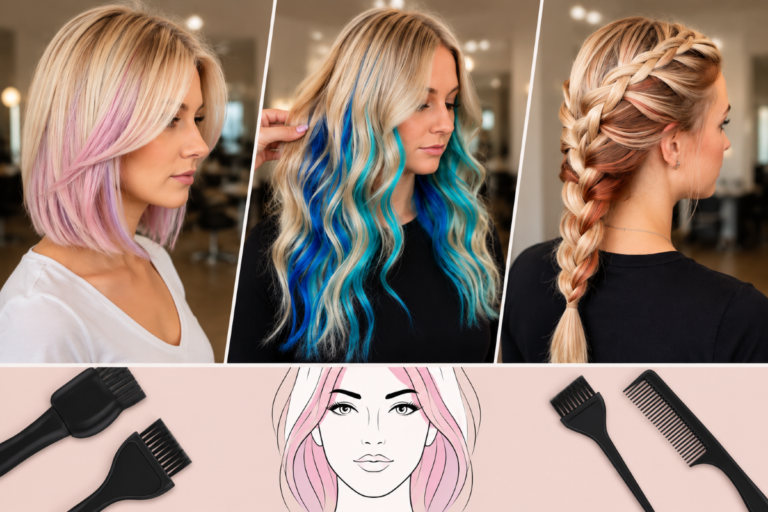
Peekaboo hair color also called hidden hair color or underlayer color is a technique where color is placed only on the inner sections of the hair. The top layer keeps your natural or current base shade while the underneath carries the new color.
This creates a two tone effect that stays hidden most of the time and appears only when you want it to. It works well for people who want to experiment with a bold shade at work or in a conservative setting since the color can be tucked away.
The technique works on almost every hair type length and texture. It is popular with people who want to try red blue purple pink or even neon shades without changing their entire look.
Peekaboo Color Versus Similar Techniques
People often confuse peekaboo color with a few other techniques. Here is a quick breakdown so you know exactly what you are asking for at the salon or buying supplies for at home.
| Technique | What It Actually Is | How It Differs From Peekaboo |
|---|---|---|
| Underlights | Lightened or bleached sections underneath the top layer | Underlights are usually blonde tones only while peekaboo can be any vivid shade |
| Money piece | Face framing highlight near the front hairline | Money piece is visible all the time while peekaboo hides beneath the top layer |
| Balayage | Hand painted graduated color throughout the hair | Balayage covers the whole head while peekaboo is isolated to one section |
| Peekaboo color | Contrasting color placed under the top layer only | Hidden by design and reveals itself only when hair moves |
What You Need Before You Start
Having every supply ready before you begin saves time and prevents a rushed or uneven application. Here is the full list.
| Supply | Purpose |
|---|---|
| Hair bleach kit | Lifts natural color so vivid dye shows up true to shade |
| 20 or 30 volume developer | Activates the bleach powder |
| Vivid or semi permanent hair dye | Provides the actual peekaboo color |
| Hair clips or hair ties | Sections off the top layer that stays untouched |
| Old t shirt or salon cape | Protects clothing from drips |
| Mixing bowl and tint brush | Used for applying both bleach and dye |
| Aluminum foil strips | Keeps sections separated and speeds up processing |
| Petroleum jelly | Shields skin along the hairline and ears from staining |
| Gloves | Protects hands from bleach and dye |
| Deep conditioner or bond repair treatment | Needed for aftercare and damage control |
If your natural hair is already light blonde you may be able to skip bleaching and apply vivid color directly to the underlayer.

How To Do Peekaboo Hair Color At Home Step By Step
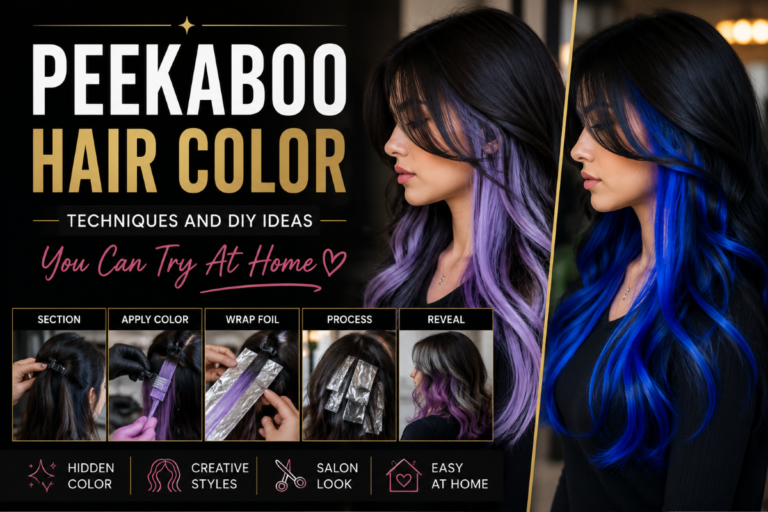
Step 1: Section Your Hair
Start on dry unwashed hair since natural oils protect the scalp during bleaching. Use a comb to part the hair cleanly from ear to ear then clip the top half up and out of the way.
The hair left down is the section that receives color. A general rule is to leave down about one third of the total hair from the underlayer.
For a more dramatic reveal choose sections closer to the temples or the nape of the neck. For something subtler keep the colored sections small and centered toward the back.
Step 2: Apply Bleach To The Underlayer
Hair darker than a medium brown needs bleaching before vivid color will show true to shade. Dark hair without this step often results in a color that looks muddy or barely visible.
Mix the bleach powder with developer according to the package directions. Apply petroleum jelly along the hairline and ears first to prevent skin staining.
Use the tint brush to apply the bleach mixture evenly across the sectioned underlayer then fold each section into foil to trap heat and speed up lifting.
Leave the bleach in place for twenty to forty five minutes checking every ten minutes. The goal is a pale yellow lift before rinsing.
Rinse thoroughly with cool water once the desired lift is reached then apply a bond repairing conditioner to reduce damage from the lightening process.
Step 3: Apply Your Chosen Color
Once hair is rinsed and towel dried apply the chosen vivid or semi permanent dye directly onto the bleached sections using the tint brush. Saturate every strand fully for even coverage.
Fold the colored sections back into foil to keep the area clean and allow the dye to develop without transferring onto the top layer.
Most semi permanent color needs thirty to forty five minutes to fully develop though this varies by brand so always check the product instructions.
Step 4: Rinse And Reveal
Rinse the color out with cool water until it runs clear. Avoid shampoo during this first rinse since it can strip fresh color before it has fully set.
Let hair air dry or use a diffuser on low heat to see the complete effect. When you shake your hair or move the top layer aside the hidden color underneath will peek through completing the look.

Tips To Make Peekaboo Color Last Longer
Color longevity depends heavily on aftercare. A few consistent habits make a noticeable difference in how long the shade stays vibrant.
- Wash hair with a color safe shampoo and cold water instead of hot water
- Space out washes since frequent washing fades vivid color faster
- Use a UV protection hair spray during long periods outdoors
- Deep condition the colored sections once a week to maintain moisture
- Refresh the color every four to six weeks depending on fade rate
Best Color Combinations By Base Shade
Choosing a shade that contrasts well with your natural base color makes a major difference in how the final look reads.
| Base Hair Color | Recommended Peekaboo Shades |
|---|---|
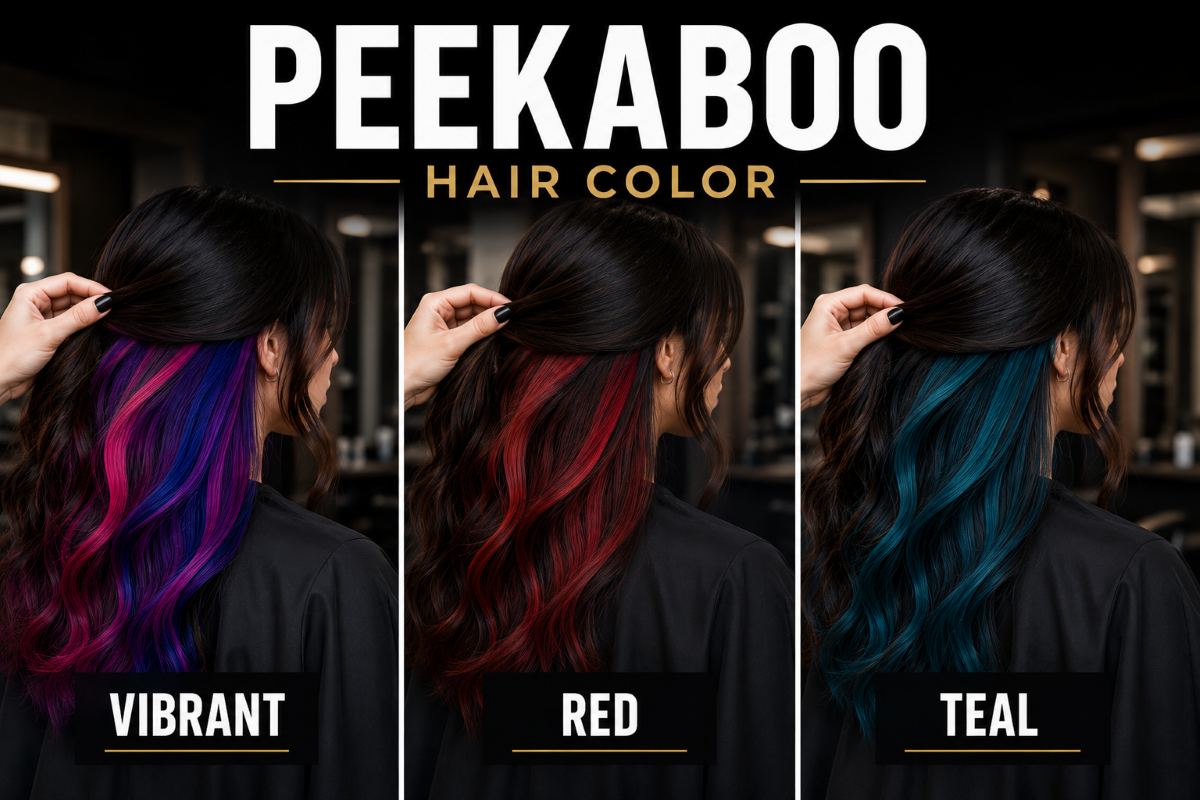
| Black | Red cobalt blue or emerald green |
| Dark brown | Burgundy copper or purple |
| Light brown | Honey blonde pink or teal |
| Blonde | Pastel lavender rose gold or baby blue |
Pros And Cons Of Peekaboo Hair Color
Pros
- Allows bold color experimentation without a full head commitment
- Color can be hidden for work or formal settings and revealed when styled
- Grows out with less visible regrowth line compared to all over color
- Works on nearly every hair length and texture
Cons
- Requires bleaching on darker hair which adds a damage risk
- Semi permanent vivid shades fade faster than permanent color
- Upkeep every four to six weeks is needed to keep the color vibrant
- Uneven sectioning can create a patchy reveal if not done carefully
Frequently Asked Questions
Can I do peekaboo hair color without bleaching?
Only if the hair is already light blonde or a very pale base. On light hair vivid and semi permanent dyes show up well without any bleaching. Medium brown dark brown or black hair needs the underlayer bleached first since skipping this step results in a muddy or barely visible color especially with shades like pink blue or purple.
How long does peekaboo hair color last?
Semi permanent peekaboo color typically lasts four to six weeks depending on wash frequency water type and maintenance routine. Washing with cold water using a color safe shampoo avoiding daily washes and deep conditioning weekly all help extend the life of the color. Permanent dye options last longer but are harder to change later.
What is the best peekaboo color for dark hair?
Red cobalt blue emerald green and burgundy contrast beautifully against black or dark brown base colors. Copper and auburn work well for a warmer look while chocolate cherry or deep plum give a softer more subtle result. Thorough bleaching of the underlayer is necessary for any of these shades to show up true to color.
Does peekaboo hair color work on short hair?
Yes though the effect looks slightly different than on longer hair. Since there is less top layer to cover the underneath color it tends to be more visible overall. Popular placements on short styles include the nape of the neck around the ears or at the temples with bob and pixie cuts working especially well.
Is peekaboo hair color the same as underlights?
They are similar but not identical. Underlights specifically refer to lightened sections beneath the top layer usually created with bleach to produce a bright or blonde underneath. Peekaboo color is a broader term covering any contrasting shade placed underneath including vivid tones like pink blue or green. All underlights can be considered peekaboo color but not all peekaboo color counts as underlights.
How do I section my hair correctly for peekaboo color?
Part the hair horizontally from ear to ear then clip the top section up so only the underlayer is exposed. The hair falling naturally below that parting line is where color goes. A subtle look uses narrow sections centered at the back while a bolder look includes sections near the temples and sides. A rat tail comb helps create clean precise sections for the neatest reveal.
Trust And Expertise Note
This guide draws on standard hair coloring practices used in professional and at home color applications including bleach processing times developer strength selection and semi permanent dye handling. Anyone with sensitive skin scalp conditions or previously chemically treated hair should do a strand test and patch test before full application and consult a professional stylist for extensive color correction or high volume developer use.